
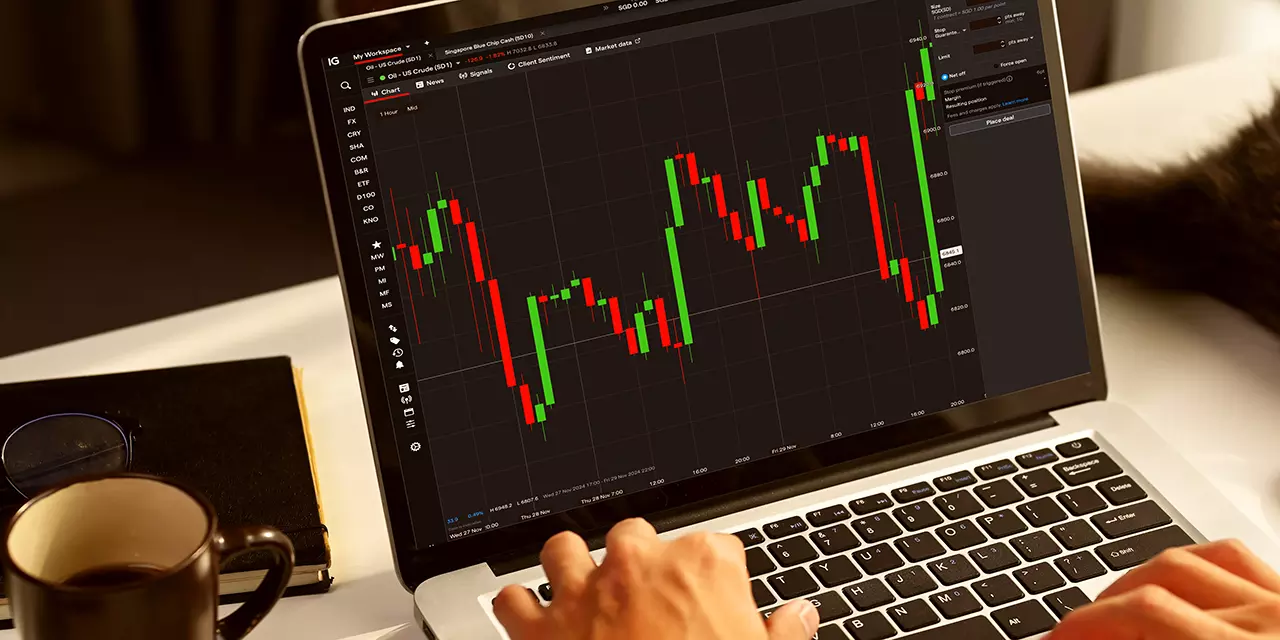
Traders need to understand spreads because the costs for their trades and their total profits depend on this knowledge. The knowledge of spread functioning will help you decide better when you start trading your first currency pair and search for different brokers.
What Is a Spread in Trading?
The spread defines the difference between the bid price and the ask price of a currency pair. The bid price represents the selling price for a currency while the ask price defines the buying price.
The EUR/USD pair displays the following values:
- Bid: 1.1000.
- Ask: 1.1002.
The spread amounts to 2 pips which represents the smallest movement in forex price changes. The entry cost of a trade shows the difference between two price points. Traders should understand spreads as the “fee” which they must pay to brokers when they want to execute their trades.
Why Spreads Matter in Forex Trading
Spreads serve as an essential element because they determine the time needed for your trade to reach profitability. The moment you initiate a trade your position begins with a loss that equals the spread amount. The market must move in your favor by at least that amount before you break even.
Beginners need to understand that:
- Wider spreads = higher trading costs.
- Lower spreads = more potential profit.
Reducing costs while increasing success chances leads traders to search actively for forex brokers who provide low spreads.
Types of Spreads
To fully understand what is a spread in trading, you should also know the two main types of spreads:
1. Fixed Spreads
These spreads remain constant regardless of market conditions. The spreads provide predictability which beginners can easily manage although their costs are slightly higher.
2. Variable (Floating) Spreads
The spreads change based on market volatility and liquidity conditions. Major news events lead to significant spread widening in financial markets. The spreads establish low values during stable conditions which traders with experience use as their main trading method.
What Are Low Spread Forex Brokers?
Brokers in the forex industry who provide low spread services operate by offering spreads which are tighter than the median market spread. The trading costs for traders decrease because they need to pay less when they start and finish their trades.
These brokers typically:
- Provide spreads starting from 0.0–1.0 pips.
- Offer high liquidity.
- Use advanced trading infrastructure.
The choice of these brokers proves to be vital for beginners who will engage in regular trading activities while implementing strategies such as scalping.
How to Find Low Spread Forex Brokers
The process of finding trustworthy low spread forex brokers requires more than simply verifying numerical information. The following elements must be investigated before making a decision:
1. Compare Spread Rates
The average spread should be verified for all major currency pairs starting with EUR/USD. The minimum spread needs verification through actual trading conditions instead of relying on claimed values.
2. Check Commission Fees
Some brokers create trading conditions which allow ultra-low spreads but they require clients to pay commission fees for each transaction. The calculation of total expenses demands you to add both spread and commission costs together.
3. Look at Execution Speed
Fast execution ensures you get the best available price. Sluggish execution procedures generate slippage which raises your effective spread distance.
4. Regulation and Trustworthiness
Choosing regulated brokers will protect your funds from potential loss. The broker becomes unreliable therefore all low spreads become worthless.
5. Trading Platform Quality
A good platform provides real-time pricing and transparency, helping you better understand what is a spread in trading in action.
Tips for Beginners
If you are just starting out, keep these tips in mind:
- Start with major currency pairs, as they usually have the lowest spreads.
- Avoid trading during high-impact news events when spreads widen.
- Use a demo account to observe how spreads behave in real-time.
- Focus on overall cost, not just the spread alone.
By applying these strategies, you can gradually develop a deeper understanding of what is a spread in trading and how it affects your trades.
Final Thoughts
The first step for beginners who want to enter the forex market requires them to understand what is a spread in trading. The hidden cost of the spread can lead to major performance problems unless it gets proper management. Choosing low spread forex brokers helps you reduce your trading costs which results in increased profits and better trading methods. You need to assess low spreads together with reliability and execution speed and regulatory requirements.
Your experience will help you recognize that even minor spread variations will result in greater total costs during your trading activities. The mastery of this concept will provide you with a fundamental skill set which supports your success throughout your forex trading career.